


The discharge call comes, and suddenly you have 48 hours—maybe less—to turn your home into a place where someone can actually recover. No one hands you a supply list. The hospital gives you a stack of papers about medications and follow-up appointments, and then you're on your own, standing in a pharmacy aisle trying to remember if you already have gauze at home.
This post is for the spouse, the adult child, the sibling who just became a caregiver overnight. It's organized by the type of recovery your person is coming home from, so you can skip straight to what applies to your situation and get moving.
Before You Stock Anything: Two Things to Do First
Call the discharge nurse and ask specifically: What supplies will we need at home, and what will the home health team bring versus what do we need to provide ourselves? That one question saves you from buying duplicates or missing something the insurance actually covers.
Then walk through the house with fresh eyes. Is the path from the bed to the bathroom clear? Is there a step they'll have to navigate? The physical environment matters as much as the supplies you stock.
The Universal Basics (Every Recovery Needs These)
Regardless of why they were in the hospital, a few things belong in every home recovery setup:
- A reliable thermometer. Fever is often the first sign of infection post-surgery or illness. A digital thermometer you can actually read quickly is non-negotiable.
- A blood pressure cuff. Many conditions—cardiac events, post-surgical recovery, certain medications—require you to track blood pressure at home. A wrist or upper-arm monitor with a large display is easier to use solo.
- Pain relief options. Stock both acetaminophen and ibuprofen unless the discharge paperwork says otherwise. Don't assume the prescription painkillers will cover everything, and don't assume OTC options are off-limits—ask the care team.
- A pill organizer. Coming home from the hospital often means juggling three to six new medications with different timing schedules. A weekly organizer with AM/PM compartments is one of the most underrated tools in home recovery.
- Disposable gloves. For wound care, changing dressings, or helping with personal hygiene. Nitrile is preferable if there's any latex sensitivity.
If They're Recovering from Surgery or a Wound
Wound care at home is where a lot of caregivers feel the most out of their depth. The hospital will change the first dressing before discharge, but after that, it's on you. Here's what to have ready:
- Sterile gauze pads in multiple sizes — the wound size will determine what you need, so having a range covers you
- Medical tape that's gentle on skin (paper tape is less likely to tear fragile post-surgical skin)
- Saline wound wash for cleaning around the incision site — plain saline, not hydrogen peroxide, which can damage healing tissue
- Antiseptic wipes or solution for the surrounding area
- Non-stick wound pads for dressings that sit directly over the incision
- Medical scissors and tweezers, kept clean and dedicated to wound care only
One thing people forget: a good first aid kit already contains most of these items. If you're building from scratch, a comprehensive kit is often more cost-effective than buying each item individually — and it gives you a dedicated, organized place to keep everything. Our guide to building and maintaining custom first aid kits walks through exactly what belongs in a home care kit and how to keep it stocked over time.
If Mobility Is Limited
Hip replacements, knee surgeries, strokes, severe illness that causes muscle weakness — all of these send someone home who can move, but not the way they could before. The fall risk in the first few weeks is real, and a fall can undo weeks of recovery.
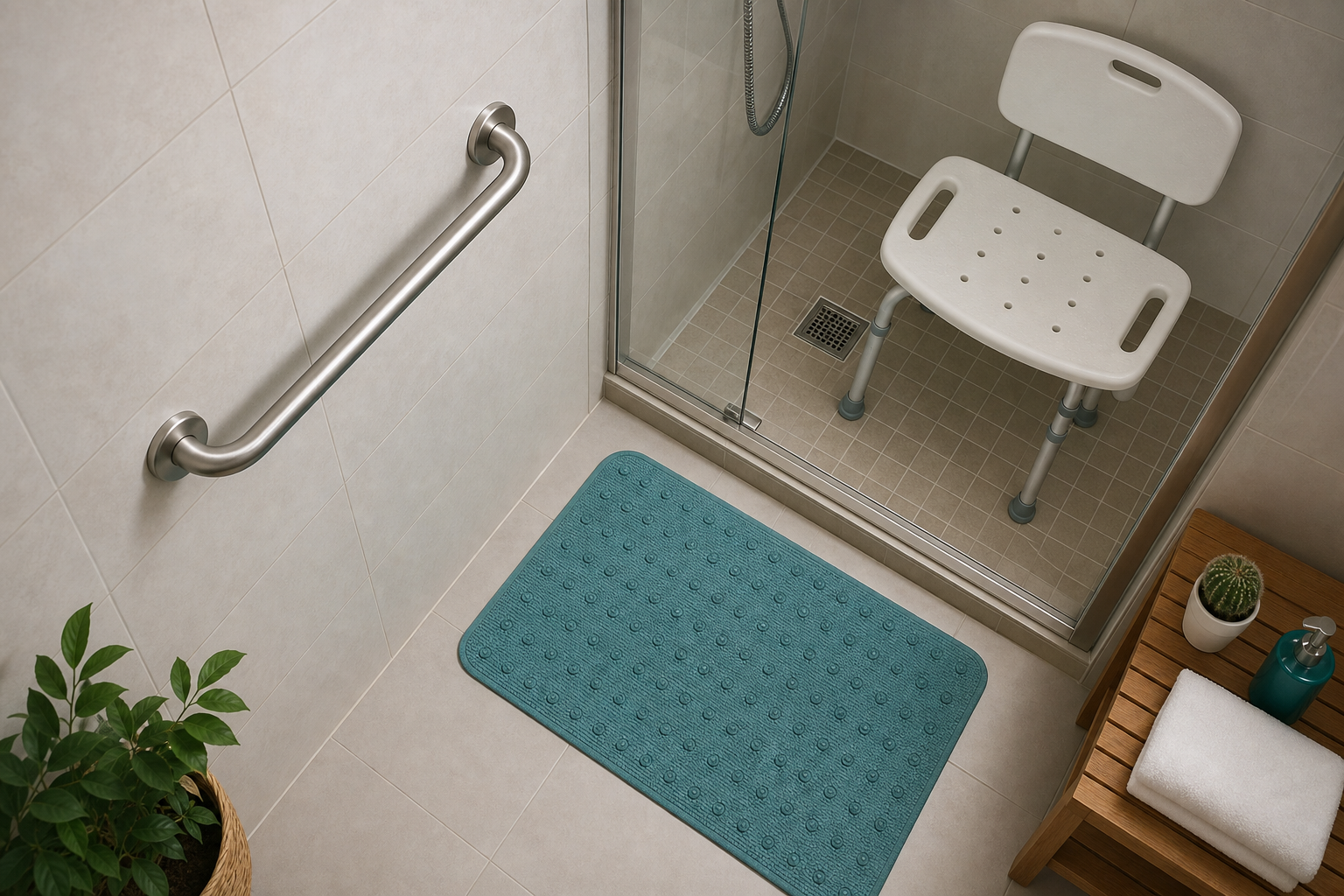
- Grab bars for the shower and near the toilet — these can be installed temporarily without major renovation
- A shower chair or bench if they can't stand safely for the length of a shower
- Non-slip bath mat — the bathroom floor is the most dangerous room in the house for someone unsteady
- A raised toilet seat if they've had hip or knee surgery (lowering down is harder than it looks post-op)
- A reacher/grabber tool so they don't have to bend or stretch for things on low shelves
- A bed rail or transfer handle if getting in and out of bed is difficult
If a walker or cane was prescribed, confirm the hospital is sending it home with them — don't assume. If not, you'll need to source one quickly.
If They're Managing a Chronic Condition
Sometimes a hospital stay is the result of a chronic condition getting out of control — a diabetes complication, a respiratory flare, a cardiac episode. In these cases, the recovery supplies overlap heavily with the ongoing management supplies they may already have, but it's worth auditing what's actually in the house and what's expired or running low.
For Diabetes Management
- Blood glucose monitor with fresh batteries and enough test strips to last at least two weeks
- Lancets — check the supply; people often run low without noticing
- A sharps disposal container if they're on insulin injections
- Fast-acting glucose sources (glucose tablets or gel) for hypoglycemia episodes
Post-hospitalization blood sugar can be less predictable than usual, especially after surgery or a serious infection. Monitoring more frequently than normal in the first week is often recommended — confirm the frequency with their care team. For a deeper look at what home monitoring actually tells you, our post on blood sugar spikes vs. high A1C is worth reading before they come home.
For Respiratory or Sleep Conditions
- CPAP or BiPAP supplies if they use one — clean mask, tubing, distilled water for the humidifier
- A pulse oximeter to monitor oxygen saturation at home
- Any prescribed nebulizer medications and the device itself, if applicable
Personal Care and Comfort (Often Overlooked)
This category gets skipped because it doesn't feel medical, but it matters enormously for both recovery and dignity.
- Incontinence products if they were catheterized or have limited mobility — having these on hand removes a source of anxiety and prevents accidents during the adjustment period
- Gentle, fragrance-free skin wipes for bed baths or when showering isn't yet possible
- Barrier cream or moisture cream if they'll be spending significant time in bed (skin breakdown is a real concern)
- A reusable ice pack and heat pack — alternating cold and heat is one of the most effective non-medication tools for post-surgical pain and swelling
- A small bell or a baby monitor if you'll be sleeping in another room — something low-tech but reliable so they can reach you at night
Medications: Stock These Before the Discharge Day
The prescription pickup is often the most chaotic part of discharge day. If you can call the pharmacy 24 hours in advance with the prescription information, do it. Have the following ready at home regardless:
- Stool softeners — constipation from opioid pain medications and reduced activity is nearly universal post-surgery, and it's miserable
- Antacids if they'll be on NSAIDs or certain antibiotics
- Any regular OTC medications they take (don't assume the hospital sent them home with a supply)
A Note on What You Don't Need to Buy
Resist the urge to over-purchase. Hospital beds, professional-grade suction machines, IV poles — unless the discharge team specifically said you need them, you probably don't. Over-equipping the room can actually make recovery feel more clinical and stressful, not less. Focus on what the care team told you, fill in the gaps with the basics above, and add more only as actual needs emerge.
The goal is a home that feels like a home, not a hospital annex.
Get It All in One Place Before They Come Home
Medistoreweb carries first aid supplies, chronic care essentials, diabetes monitoring devices, and personal care products in one place — with free US shipping so you can order and receive quickly, without running to three different stores on discharge day. Use code WELCOME5 for 5% off your first order.
Frequently Asked Questions
How soon before discharge should I start gathering supplies?
As soon as you know the discharge date, start your list. Ideally, you want everything in place the day before they come home — not the morning of. If you get less than 24 hours' notice, focus first on wound care basics, medications, and any mobility aids the care team mentioned, then fill in the rest over the following day or two.
Will insurance cover any of the home recovery supplies?
Some items — particularly durable medical equipment like walkers, blood pressure monitors, or CPAP supplies — may be covered under Medicare or private insurance with a prescription. Ask the hospital's discharge planner or case manager before you buy; they can often help you navigate what's covered and what you'll need to purchase out of pocket.
What's the single most important thing to have ready when someone comes home from the hospital?
If you can only prioritize one thing, make it the medications. Prescription delays or mix-ups on day one can cause real setbacks. Call the pharmacy in advance, confirm everything is filled, and have a clear schedule written out for what gets taken when. Everything else can be improvised for a day or two — medication timing usually can't.
How do I know if a wound is getting infected at home?
The warning signs to watch for are increasing redness spreading away from the incision, warmth, swelling, discharge that is cloudy or has an odor, and a fever. Any of these — especially fever combined with wound changes — warrants a call to the surgeon's office or urgent care, not a wait-and-see approach. The discharge paperwork should include a number to call; keep it posted somewhere visible.